Breaking the Wall of Cultural Dyslexia
1. The Problem We Don’t Talk About
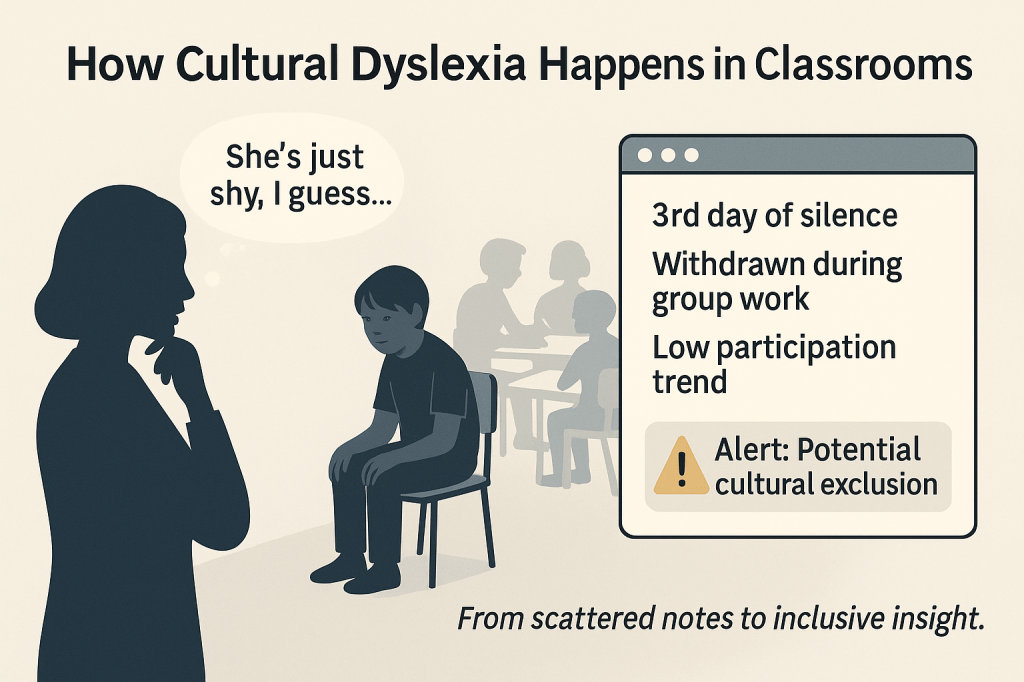
Contemporary classrooms are more diverse than ever. Yet, many students—particularly those with migrant backgrounds—continue to experience subtle, persistent forms of exclusion. These students might not misbehave or disrupt the class. Instead, they withdraw silently, avoid eye contact, skip participation, or remain on the margins of social interaction. Unfortunately, these behaviors are often interpreted as shyness, introversion, or disinterest. But what if they are not?
What if these are quiet cries for inclusion—misread or completely overlooked due to a lack of cultural awareness?? This systemic failure to recognize and decode such signals is what I call Cultural Dyslexia—a widespread but invisible barrier in education. While teachers do their best, they often lack the tools to notice, track, and understand these patterns in time.
2. A Reflective, Teacher-Led Approach
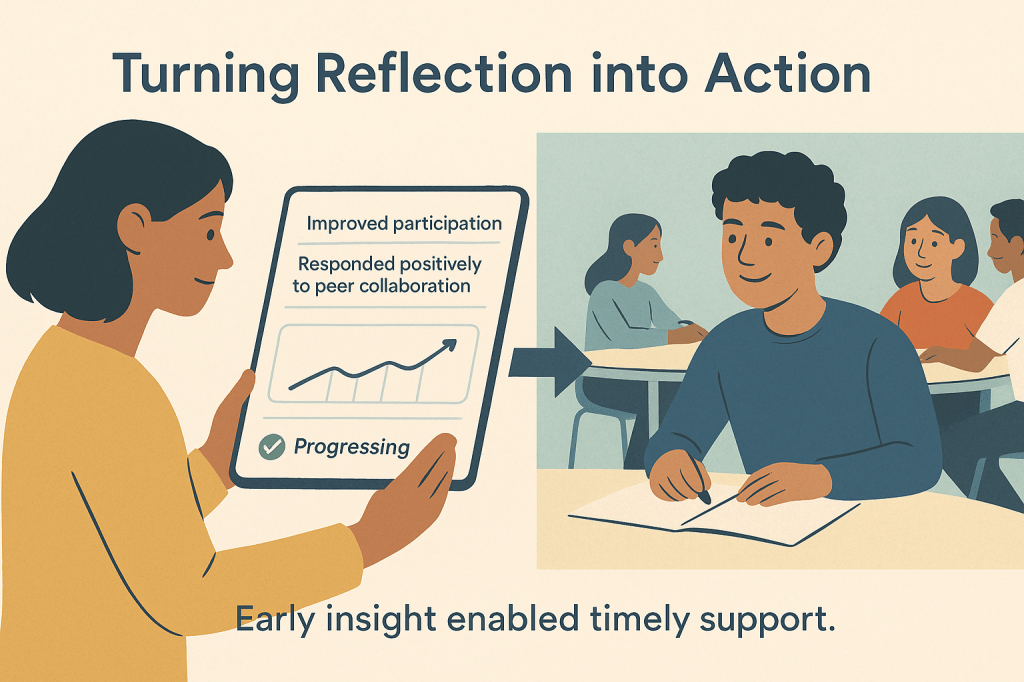
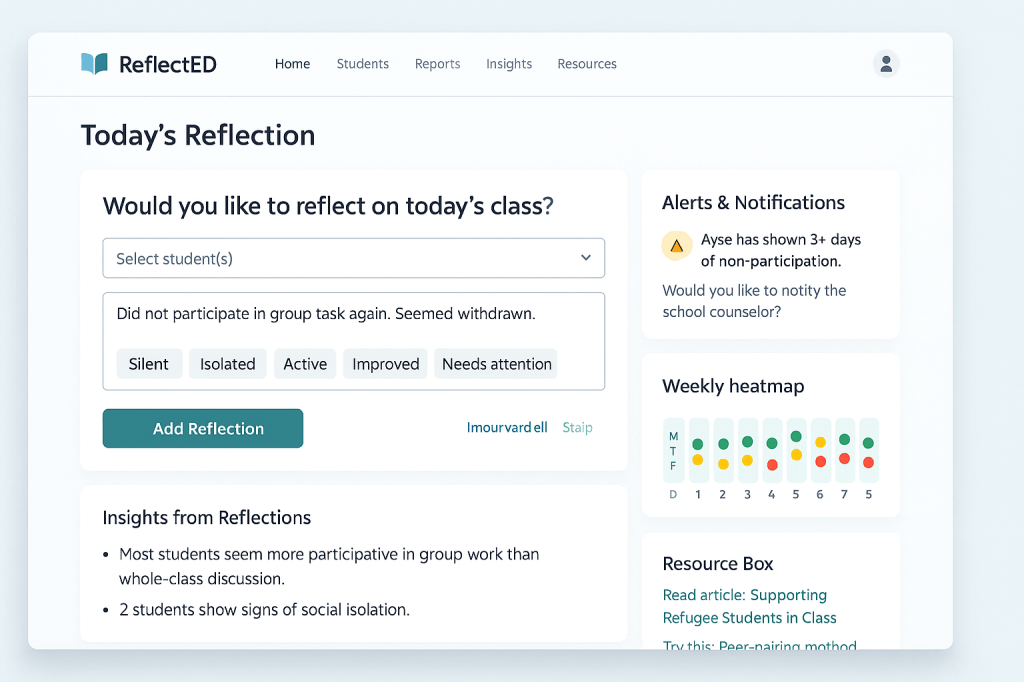
To break this wall, I am developing a digital platform that helps teachers document short, intuitive reflections after each lesson. These micro-observations—30-second notes about student behavior, engagement, or classroom atmosphere—are processed through intelligent analysis. Over time, the system identifies trends such as prolonged silence, social withdrawal, or consistent non-participation, and notifies the teacher or guidance units with non-invasive prompts.
What makes this solution unique is that it doesn’t replace teachers—it supports them. It values their professional judgment, contextual awareness, and human sensitivity, while turning scattered insights into a clear picture. The goal is not surveillance or labeling, but early recognition and inclusive response—before emotional damage or educational gaps emerge.
3. Building Classrooms Where Every Student Is Seen
Education should not only be about curriculum delivery; it should be about human connection, belonging, and dignity. With increasing migration, cultural polarization, and mental health struggles in schools, we need tools that are both humane and intelligent. My project stands at that intersection.
This platform is not a product—it’s a philosophy. It is a belief that no student should fade into silence, and no teacher should feel alone in the effort to support them. By transforming micro-reflections into macro-impact, this system aims to help educators rebuild the classroom as a place of trust, attention, and true inclusion.
(This project was submitted as part of Falling Walls Lab 2025 — an international forum for breakthrough ideas.)
